


Nha Trang: What to Know Before You Go
The season by month, entry rules, how to fly to Nha Trang, the city beach and Doc Let, Po Nagar Towers, Long Son Pagoda, islands in the bay, mud baths and local food.
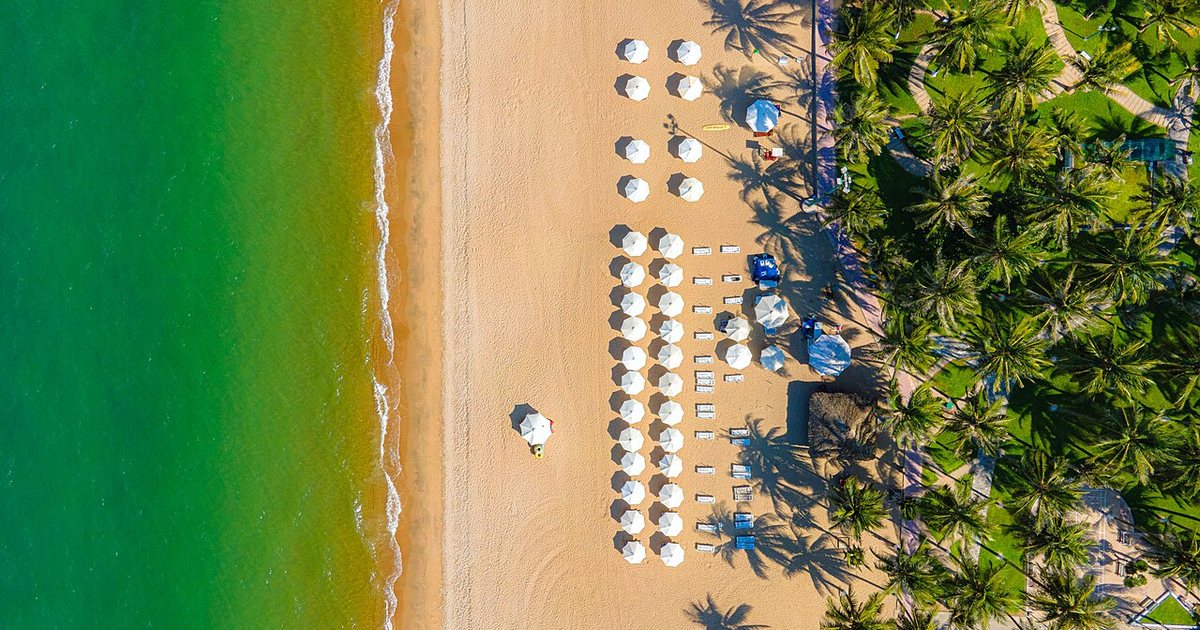
Nha Trang is Vietnam's best-known seaside resort: a long city beach with a promenade, islands in the bay, ancient Cham towers, mud baths and a diving centre. Unlike the quiet islands, it is a big, lively city by the sea. The main thing to know before you go is the season: from October to December it rains here, and the best time is from February to August. Below: when to go, entry rules, how to get there, beaches, what to see and what to try.
Entry rules, schedules and prices are based on official sources as of November 18, 2026. Check them again before you travel.
When to go
Nha Trang is warm all year round, but the amount of rain varies a lot by month. The monsoon season runs from October to mid-December: strong winds blow in from the sea, and it can even feel cool.
| Months | Daytime | Rain per month | What it is like |
|---|---|---|---|
| January | +27 °C | 43 mm | less rain, but overcast days still happen |
| February — April | +28…+31 °C | 16–42 mm | dry, the best time for the sea |
| May — August | +32…+33 °C | 42–82 mm | hot and sunny, high season |
| September | +32 °C | 166 mm | the rains begin |
| October — December | +27…+30 °C | 191–382 mm | the season of rain and wind |
If you travel in winter, in December and January, the warm and dry sea in Vietnam is on the island of Phu Quoc.
Visa and entry rules
- Citizens of Kazakhstan enter Vietnam visa-free for up to 30 days.
- Citizens of Russia — visa-free for up to 45 days.
- For a longer stay an e-visa is issued on the official website evisa.gov.vn.
- Arrival card. Before the trip you can fill in a free online form on the official website of the Immigration Department, prearrival.immigration.gov.vn — you show the QR code at passport control.
How to get there
- Direct flights from Almaty and Astana to Nha Trang are not in the schedule for November 2026. There used to be some — in season it is worth checking with airlines and tour operators.
- With a connection — via Ho Chi Minh City or Hanoi; the flight from Ho Chi Minh City to Nha Trang takes about an hour.
- Cam Ranh Airport is 30 kilometres south of the city. It is the fourth busiest airport in Vietnam, and it handles more international passengers than domestic ones. To the centre — by taxi, Grab or bus.
- Train and bus. Nha Trang is on the main railway line between Hanoi and Ho Chi Minh City: the train from Ho Chi Minh City takes 6–8 hours.
- Time. Vietnam is 2 hours ahead of Kazakhstan.
Beaches
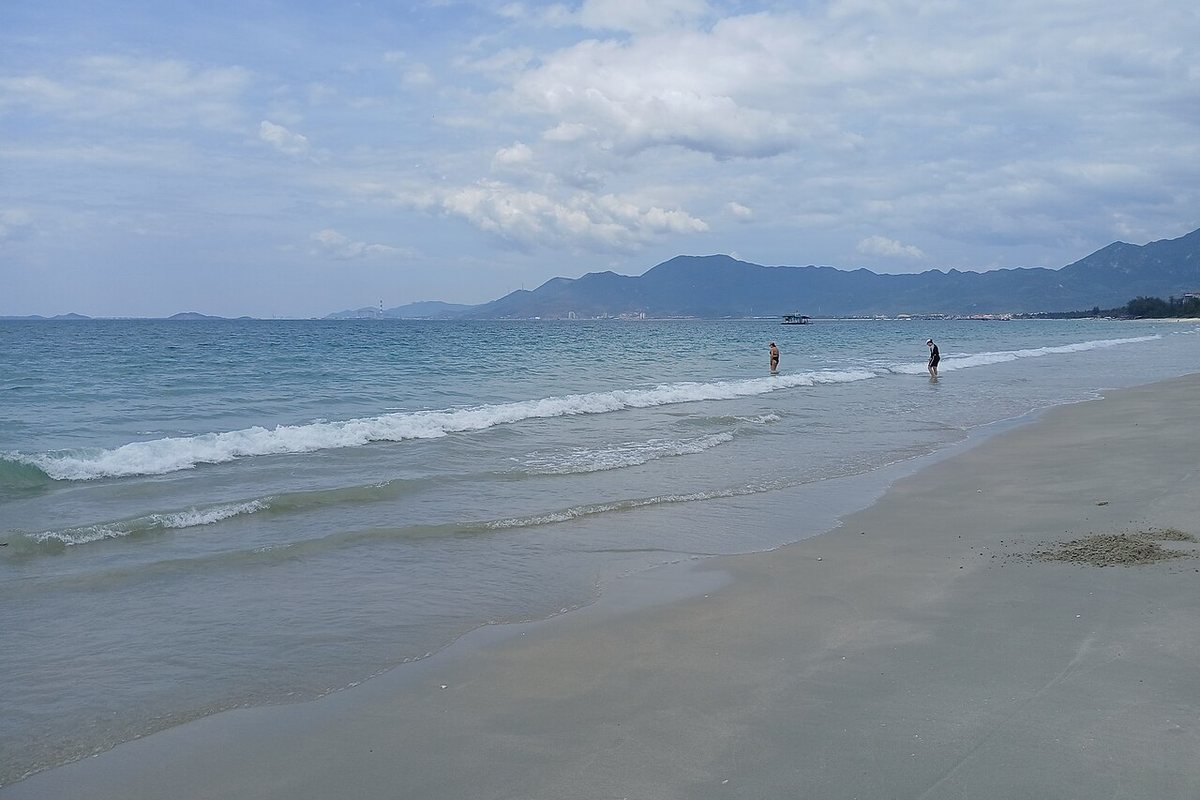
- The city beach — about 6 kilometres of sand along the Tran Phu promenade with gardens and walking paths. The water is calm, but it gets deep quickly.
- The northern beach across the Cai River — smaller and quieter, visited mostly by Vietnamese holidaymakers.
- Bai Dai — a long beach in the south, on the way to the airport.
- Doc Let — a wide beach north of the city; city bus No. 3 takes at least an hour and a half to get there.
Vietnamese people come to the beach at sunrise and sunset, while in the middle of the day, in the full sun, there are more foreigners.
What to see
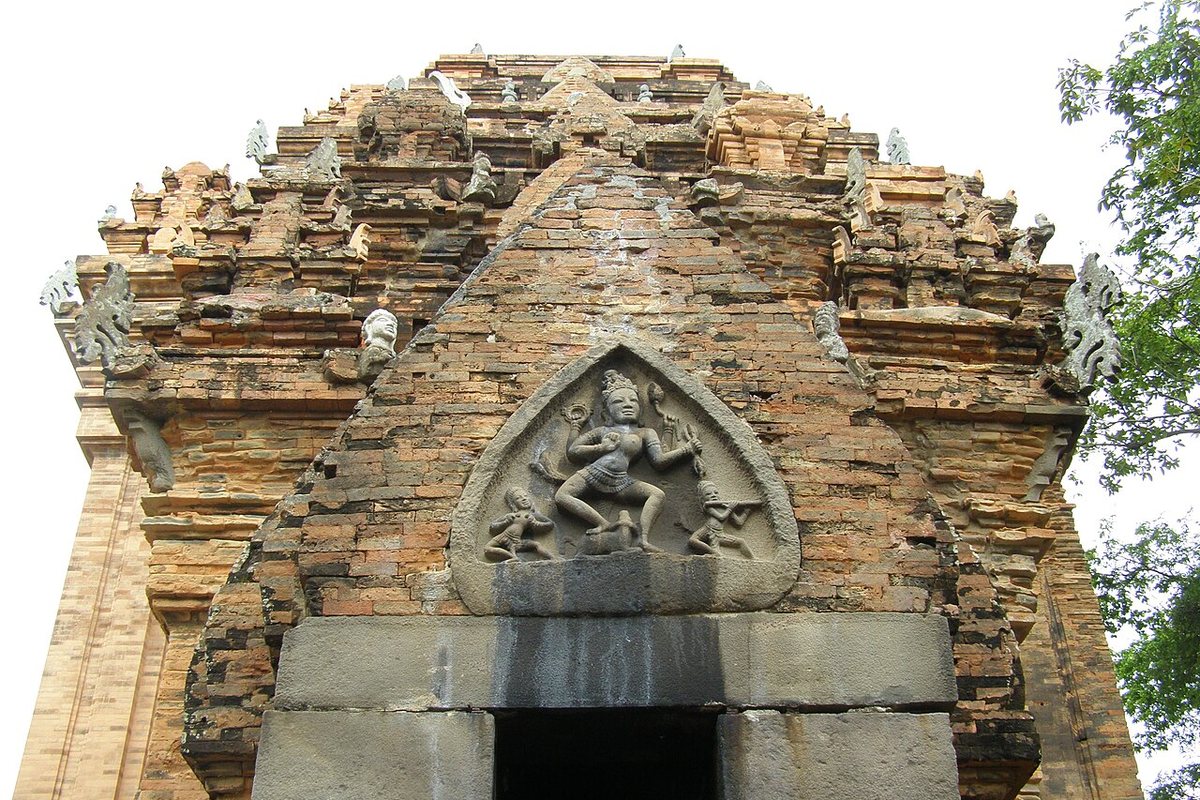
- Po Nagar Towers — a sanctuary of the Cham, the ancient people of this land: four brick towers from the 7th–12th centuries on a hill above a fishing village. The temple was founded before 781 and is still in use. Open from 7:30 to 17:00.
- Long Son Pagoda — a Buddhist temple founded in 1886. On the hill above it stands a 24-metre white Buddha statue, visible from afar. Entry is free; the "students" who ask for donations at the entrance have nothing to do with the temple.
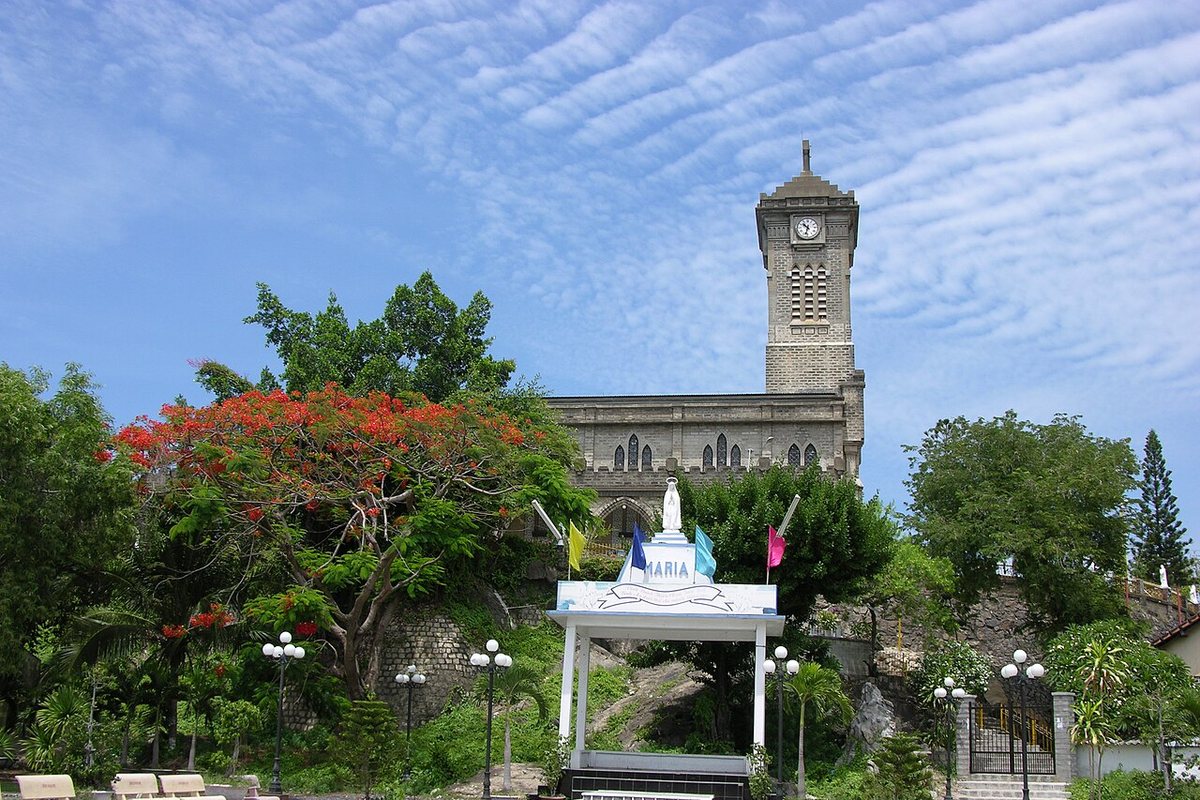
- The Cathedral — a Catholic cathedral on a hill in the city centre; in Vietnamese it is called the "church on the mountain".
- The Alexandre Yersin Museum — dedicated to the French-Swiss bacteriologist who discovered the plague bacterium and lived in Nha Trang for 50 years.
- The Oceanographic Museum — aquariums with sharks, turtles, seahorses and corals, a good choice for children.
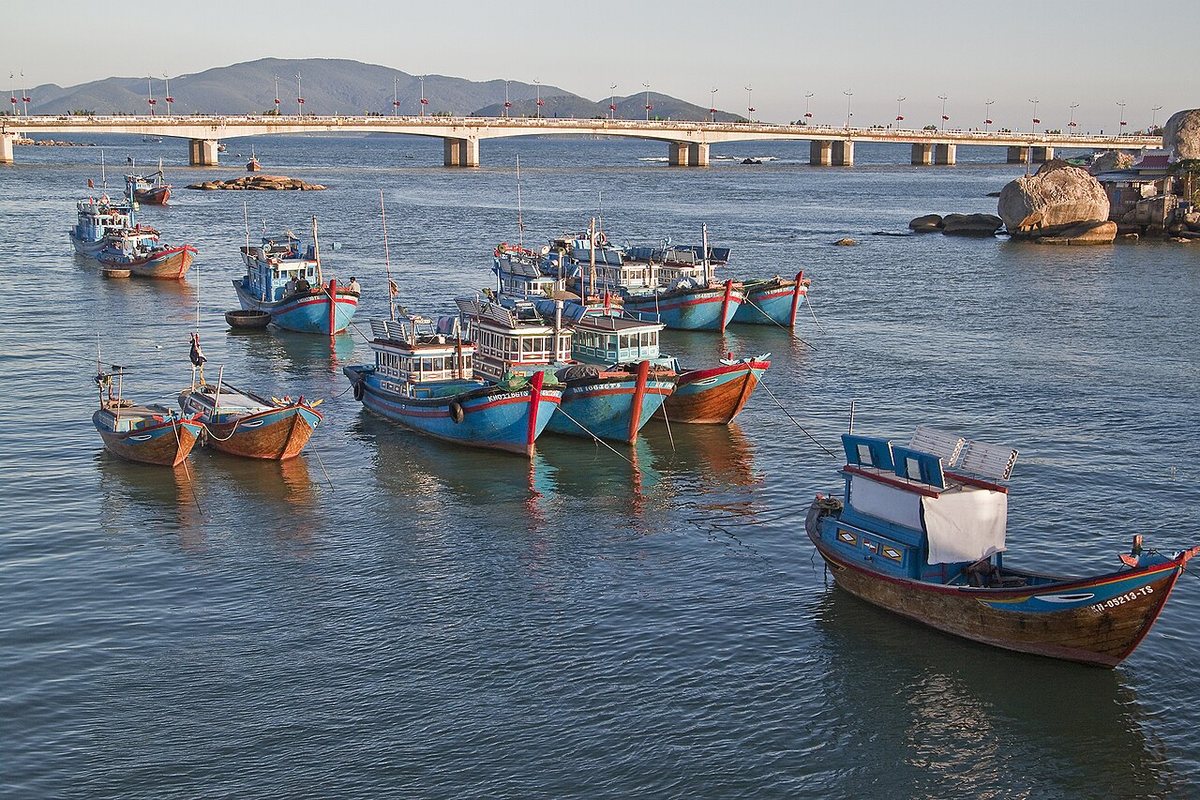
Islands and snorkelling
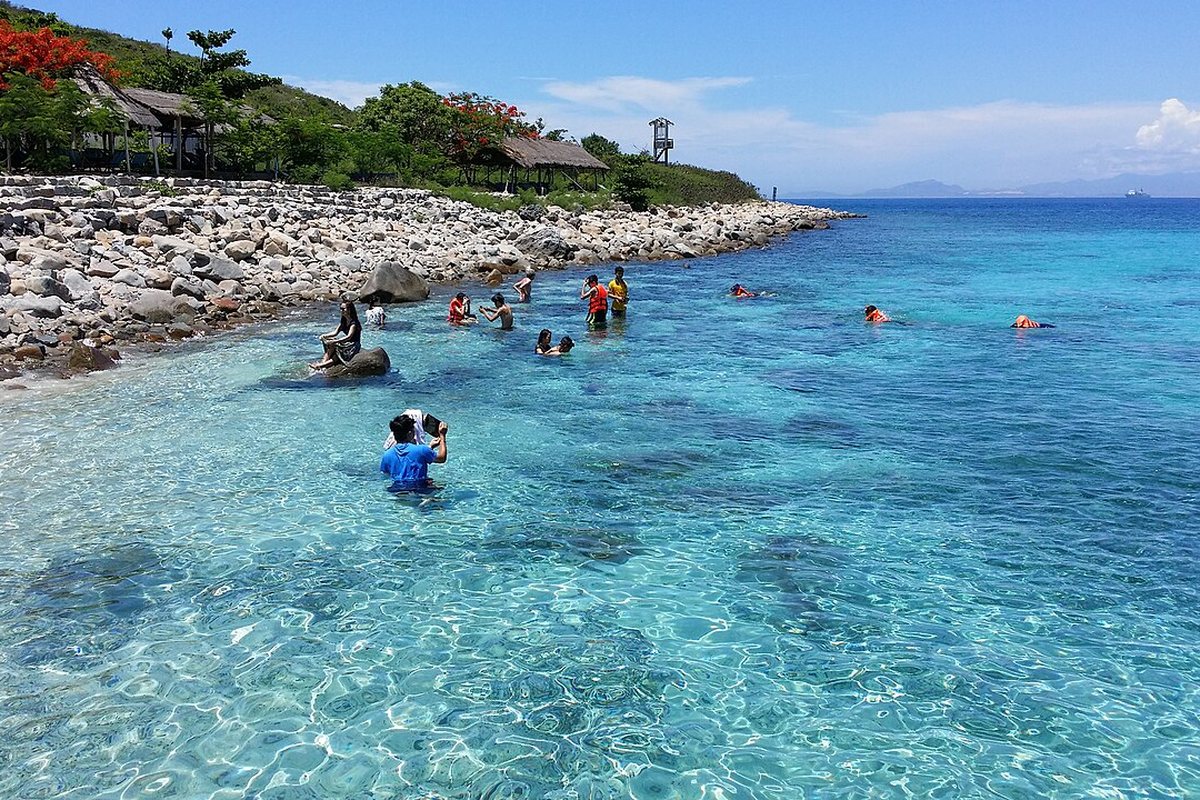
Nha Trang is Vietnam's main diving centre. There are dozens of islands in the bay, served by one-day boat tours with snorkelling, fishing and lunch on board.
- Hon Mun — a marine reserve with corals, one of the world's first marine protected areas recognised by the International Union for Conservation of Nature.
- Hon Tre — the island with the VinWonders amusement park. According to the official website, the cable car over the sea runs to it again; a show starts there every evening at 19:30.
- Hon Tam — an island with mud baths, hydrotherapy and a large pool, open from 8:00.
Mud baths and waterfalls
- Mud baths are Nha Trang's calling card: mineral mud, hot springs and pools. The best known are Thap Ba, 4 kilometres north-west of the centre, and I-Resort.
- Ba Ho Waterfalls — three waterfalls and a fast river in the forest about 20 kilometres north of the city.
What to try
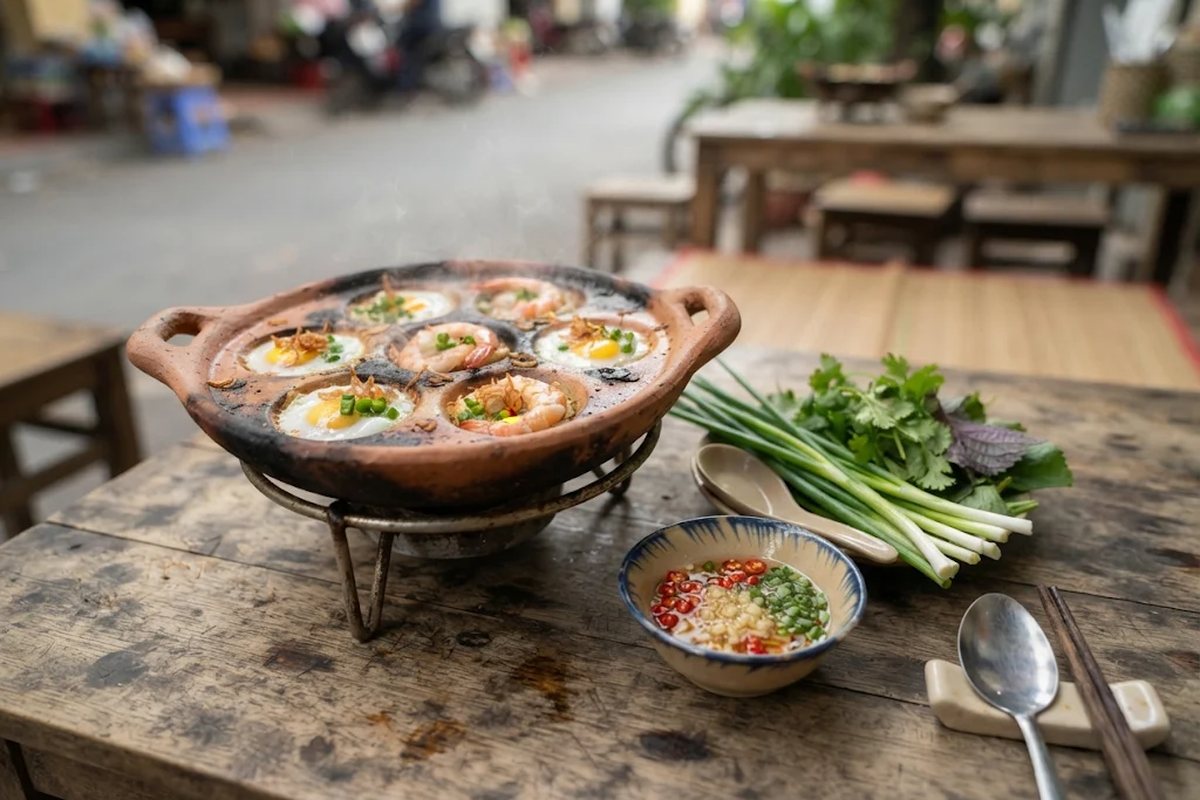
- Banh can — small rice cakes with egg, meat or seafood, a local Nha Trang dish.
- Banh xeo — a crispy pancake with shrimp and bean sprouts, wrapped in lettuce leaves.
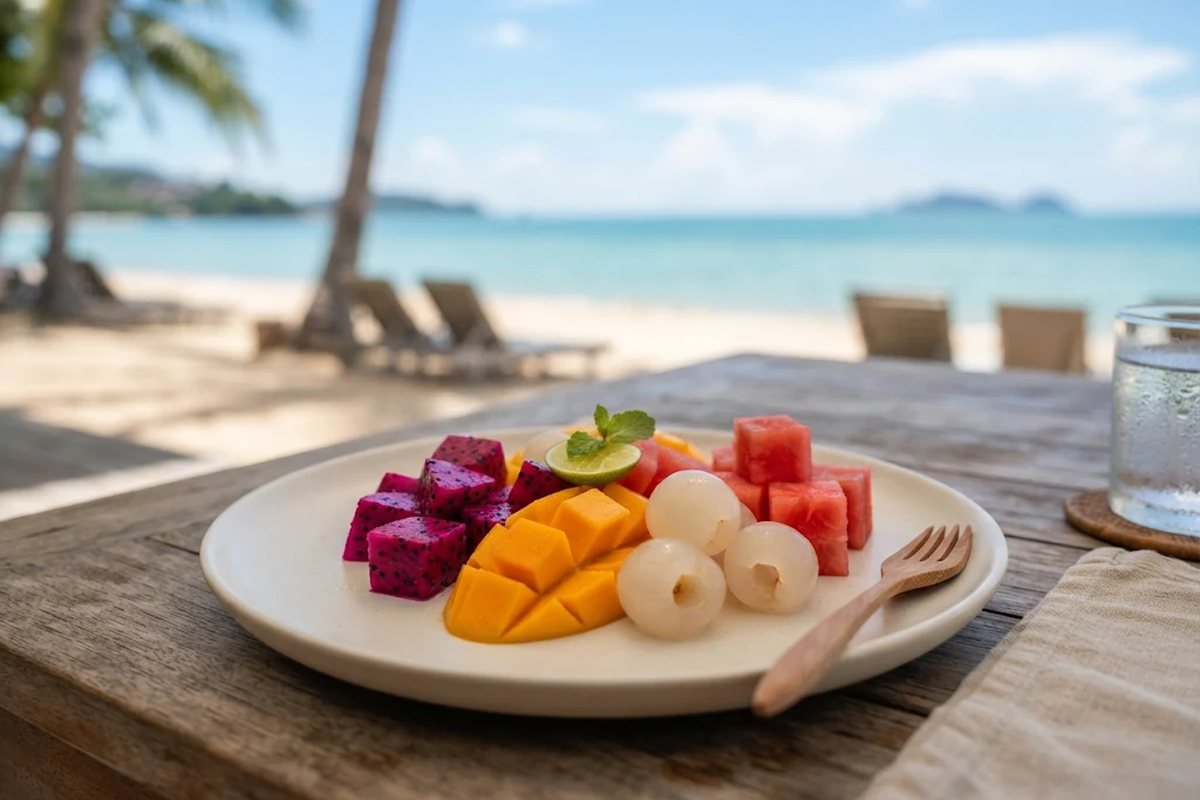
- Tropical fruit — mango, dragon fruit, rambutan; on the beach street vendors sell them together with seafood.
 Created by AI
 Created by AI
 Created by AI
Money and safety
- Currency — the Vietnamese dong. At the Vietcombank rate on November 18, 2026, a dollar cost about 25,700 dong; 100,000 dong is about 4 dollars.
- Valuables are best left behind when you go to the beach: bag theft happens there, and at night there are pickpockets in the tourist area.
- Motorbike snatchers. Keep your phone and bag away from the roadside.
- Renting a motorbike. Check whether your insurance covers riding a motorbike — often it does not.
Questions and answers
When is the best time to go to Nha Trang?
From February to August: it is dry, +28…+33 °C by day. October to December is the season of rain and wind, with about 380 mm of rain in November.
Do citizens of Kazakhstan need a visa for Nha Trang?
No. Citizens of Kazakhstan enter Vietnam visa-free for up to 30 days. The digital arrival card can be filled in in advance on prearrival.immigration.gov.vn.
Are there direct flights from Almaty to Nha Trang?
There are no direct flights from Almaty and Astana in the November 2026 schedule — people fly with a connection via Ho Chi Minh City or Hanoi. There used to be direct flights; in season it is worth checking with airlines.
How do you get from Cam Ranh Airport to Nha Trang?
The airport is 30 kilometres south of the city. People get to the centre by taxi, Grab or bus.
What is there to see in Nha Trang?
The 7th–12th century Po Nagar Towers, Long Son Pagoda with its 24-metre white Buddha, the cathedral, the Alexandre Yersin Museum and the Oceanographic Museum. From the bay: the islands of Hon Mun, Hon Tre and Hon Tam.
Which is better, Nha Trang or Phu Quoc?
In winter, Phu Quoc: it is dry there in December and January. In spring and summer, Nha Trang: a big city by the sea with tours, islands and mud baths.
What currency is used in Nha Trang?
The Vietnamese dong. On November 18, 2026, a dollar cost about 25,700 dong at the Vietcombank rate.
The text, translation and images for this article were prepared with the help of artificial intelligence. AI can make mistakes — check important figures, dates and requirements against official sources.
Verified business hotels at closed corporate rates, with the invoice, act and e-invoice for your company — all in one account.
 Photo: Trantuonglam
17 November 2026A Holiday in Vietnam: Where to Go, the Visa and the Season by Month
 Photo: Trantuonglam
18 November 2026Phu Quoc: What to Know Before You Go
 Photo: Bennypc
18 November 2026Phuket: What to Know Before You Go
 Photo: Radek Kucharski
17 November 2026A Holiday in Thailand: Where to Go, the Visa and the Season
 Photo: Frédéric Ducarme
17 November 2026A Holiday in the Maldives: What to Know Before You Go
 Photo: Serhio Magpie
18 November 2026Holidays in Egypt: Sharm El Sheikh or Hurghada
 Photo: Tanya Dedyukhina
17 November 2026A Holiday on Hainan: Sanya, the Season and the Visa
 Photo: CEphoto, Uwe Aranas
17 November 2026A Holiday in Bali: the Visa, the Season and What to See
 Photo: Sosotedrd
18 November 2026Batumi: What to Know Before You Go
 Photo: Gzzz
17 November 2026Where to Go Abroad in Winter: 8 Warm Countries Without a Visa
 Photo: Ninara / TSP
18 November 2026Bangkok: What to Know Before You Go
 Photo: Nico Crisafulli
18 November 2026A Holiday in Goa: the India Visa, the Season and the Beaches
All articles
Business trips, documents and travel