


Rome: What to See in Four Days
The Colosseum and the Forum, the Pantheon, the Trevi Fountain, the Vatican and Trastevere: a four-day route, districts to stay in, getting in from Fiumicino and the entry rules.
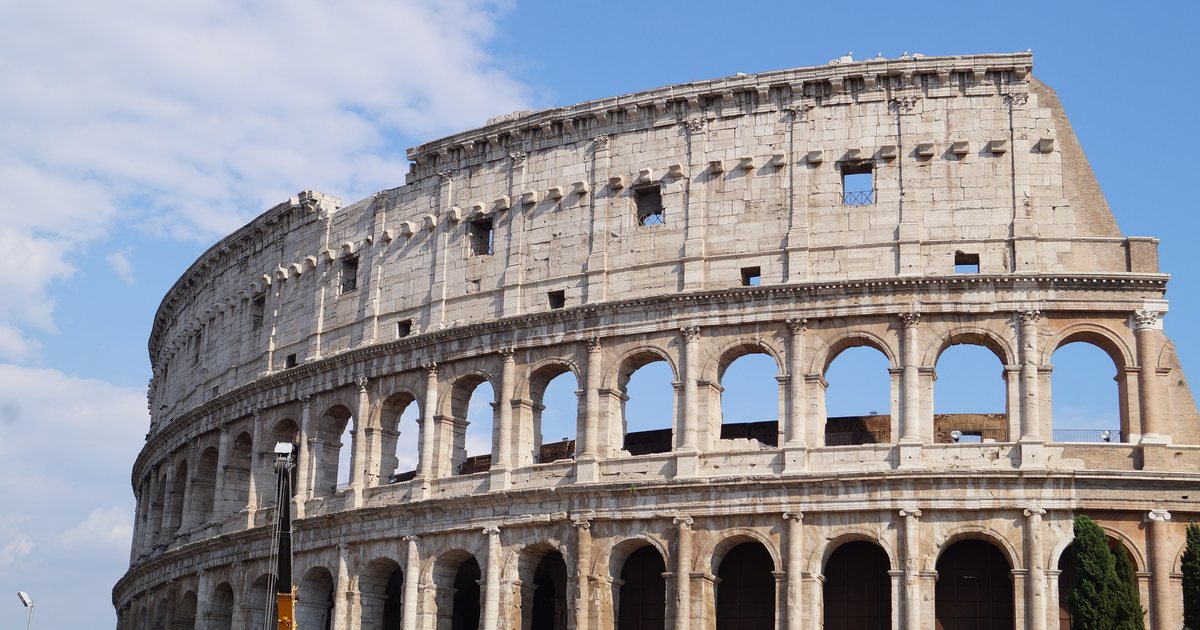
Rome is called the Eternal City: in a single day you can walk past the gladiators' arena, a two-thousand-year-old temple and Baroque fountains, and step into another country — the Vatican. Below are the main sights, a four-day route, districts to stay in, getting in from the airport and the entry rules.
Entry rules are based on official European Union websites as of November 16, 2026.
The trip in brief
- Visa. Italy is in the Schengen Area. Citizens of Kazakhstan, Russia, Uzbekistan, Kyrgyzstan, Belarus, Armenia and Azerbaijan need a Schengen visa. Document requirements are on the official portal of the Italian Ministry of Foreign Affairs, "Il visto per l’Italia".
- How long you can stay. On a short-stay visa — up to 90 days in any 180, counting all Schengen countries together.
- The border. The electronic EES system operates at Schengen entry points: on your first crossing your face is photographed and, as a rule, your fingerprints are scanned, and passports are no longer stamped.
- Time. UTC+1 in winter, UTC+2 in summer: four hours behind Kazakhstan (three in summer) and two hours behind Moscow (one in summer).
- Money. The euro. Cards are accepted almost everywhere, but small change comes in handy — for example, for a coffee at a bar counter.
- When to go. April — June and September — October. Summer can exceed +35 °C, and in mid-August many Romans go on holiday and some restaurants close.
The Colosseum, the Forum and the Palatine
The Colosseum opened in 80 AD, and its stands held about 50 thousand spectators. One ticket usually covers the Colosseum, the Roman Forum — the square that was the center of the empire's political life — and the Palatine Hill with the ruins of the imperial palaces. Buy it in advance on the official website of the Colosseum Archaeological Park: in season, tickets for the next few days sell out. The best view of the Forum from above is from the Capitoline Hill, especially at sunset.
The Pantheon, Trevi and Piazza Navona
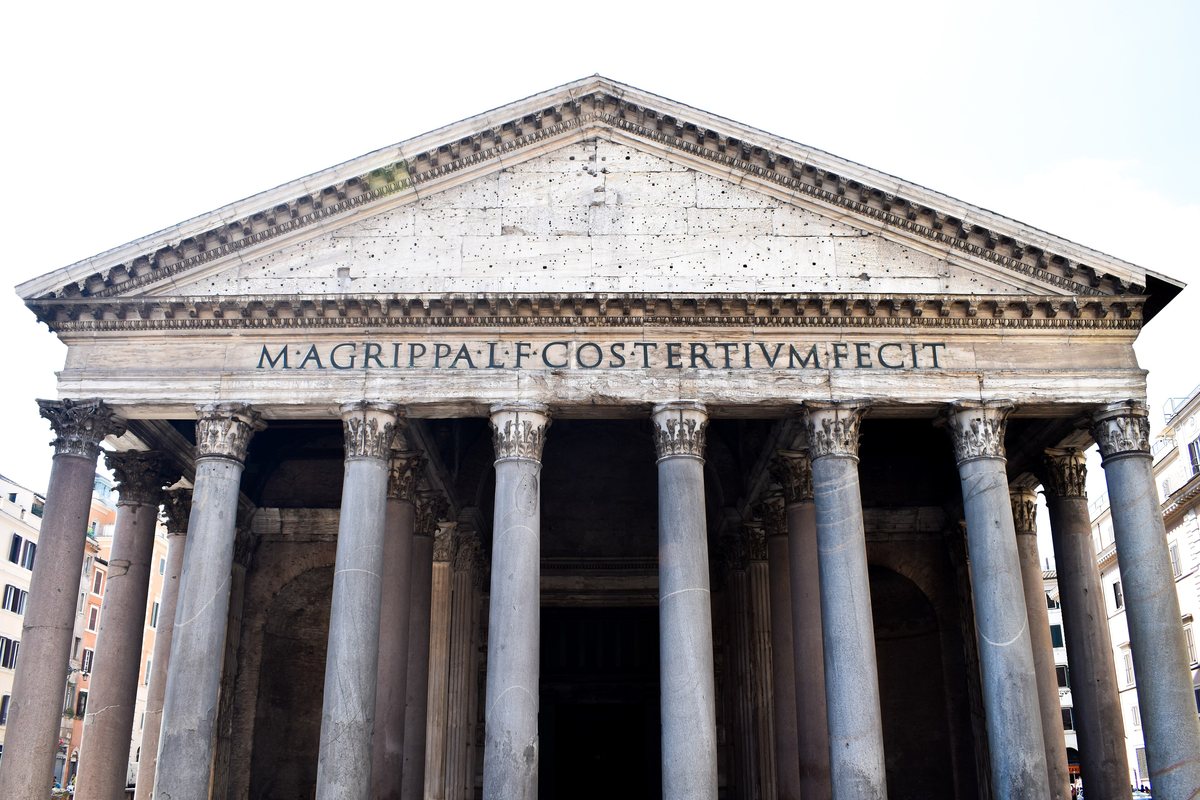
- The Pantheon is a 2nd-century temple with a dome that has an open oculus about nine metres across at its center. It is still the largest unreinforced concrete dome in the world. Raphael is buried inside. There is an entrance fee.
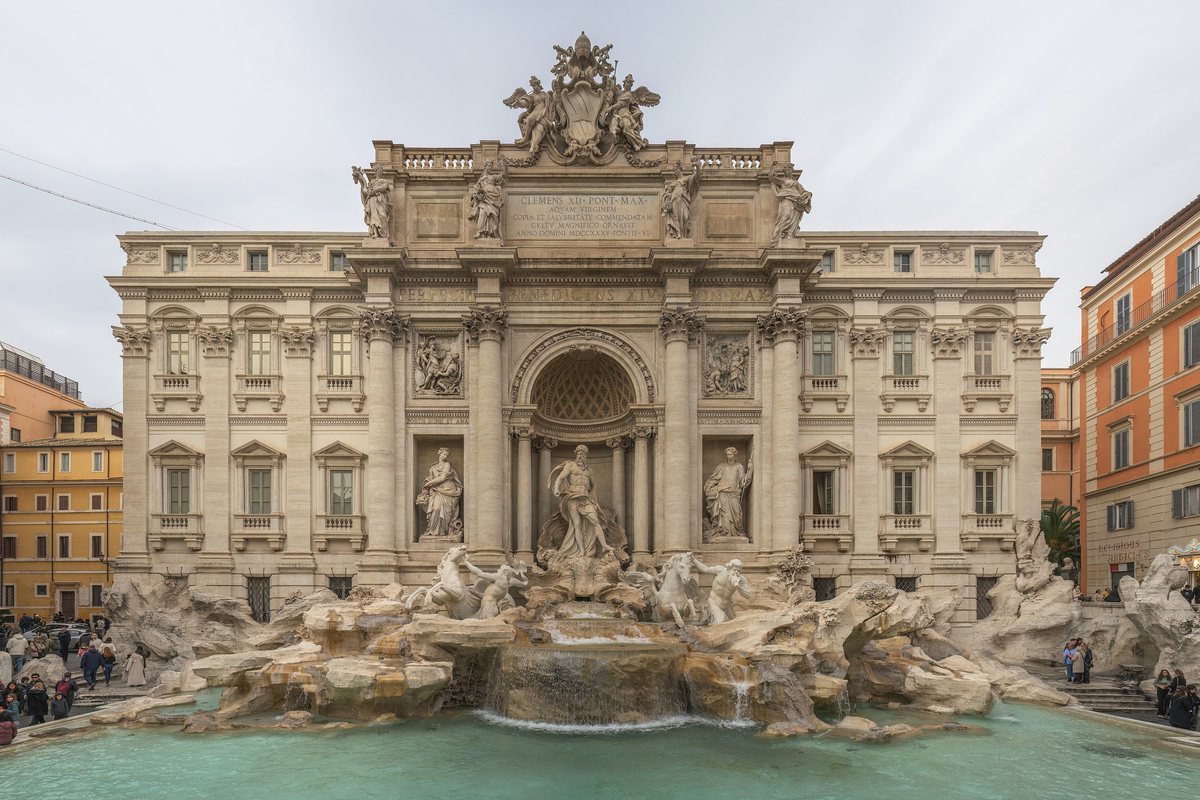
- The Trevi Fountain is Rome's most famous fountain, completed in 1762. By tradition you toss a coin over your shoulder to make sure you return to Rome. To stand by the water without a crowd, come early in the morning.
- Piazza Navona is a long square on the site of an ancient stadium, with Bernini's Fountain of the Four Rivers.
- The Spanish Steps — 135 steps from the Piazza di Spagna to the church of Trinità dei Monti. Sitting on the steps is forbidden — you can be fined for it.
 Created by AI
The Vatican
The Vatican is the smallest country in the world, and its border with Rome runs along the edge of St. Peter's Square. St. Peter's Basilica is open to everyone free of charge, but shoulders and knees must be covered. You go up to the dome partly by lift and then by a narrow staircase; the whole city is visible from the top. The Vatican Museums with the Sistine Chapel are closed on Sundays, except the last Sunday of the month, when entry is free and the queue is huge. Buy timed tickets on the museums' official website.
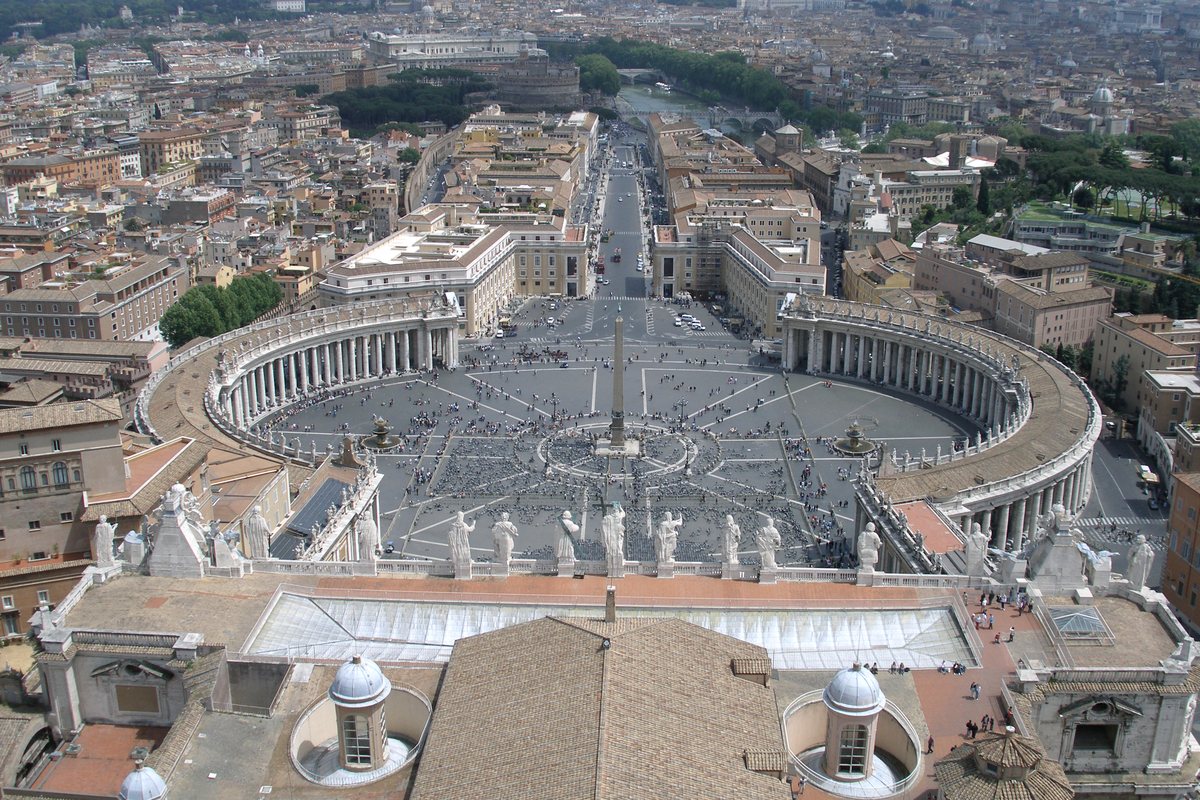
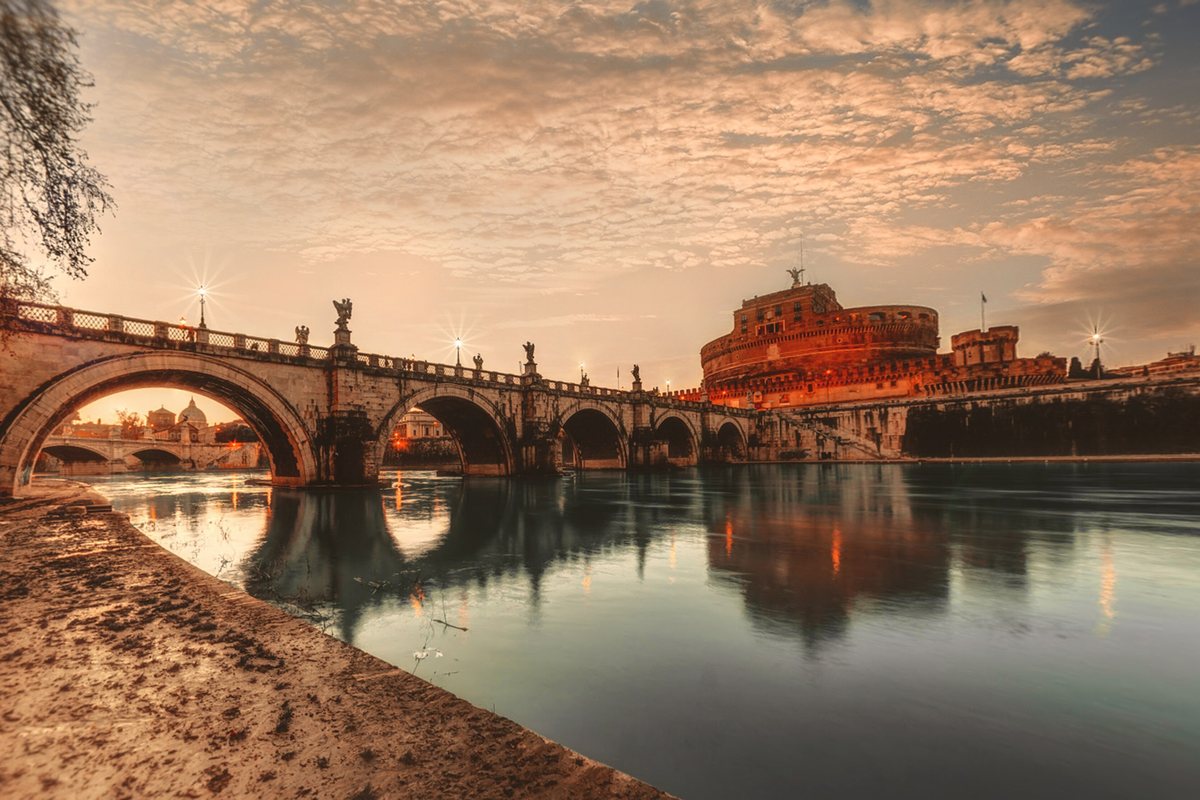
On the way from the Vatican to the center is Castel Sant'Angelo: the tomb of Emperor Hadrian, which later became a papal fortress. A bridge with angels based on Bernini's designs leads to it. And across the river is Trastevere, a district of narrow lanes where the whole city goes for dinner in the evening.
A four-day route
| Day | What to do |
|---|---|
| 1 | The Colosseum, the Roman Forum and the Palatine; at sunset — the view of the Forum from the Capitoline |
| 2 | The Vatican Museums and the Sistine Chapel in the morning, St. Peter's Basilica and the dome; in the evening — Castel Sant'Angelo |
| 3 | The Pantheon, Piazza Navona, the Trevi Fountain, the Spanish Steps; dinner in Trastevere |
| 4 | A trip out of town: Tivoli with the Villa d’Este and Hadrian’s Villa, or the ancient port of Ostia Antica |
 Created by AI
Where to stay: districts of Rome
| District | Who it suits | What to consider |
|---|---|---|
| The historic center: the Pantheon, Navona | First trip, all the main sights on foot | Expensive, noisy in the evening |
| Monti near the Colosseum | Restaurants, bars, the metro nearby | Small rooms, hilly streets |
| Trastevere | Atmosphere, dinners, walks | Noisy at night, no metro |
| Prati near the Vatican | Quieter than the center, the metro, good restaurants | To the Colosseum — by metro |
| Near Termini station | The airport train, lower prices | Uncomfortable near the station at night |
Getting in from the airport and getting around
- Fiumicino is the main airport, about 30 km from the center. The fastest option is the Leonardo Express train to Termini station, about 32 minutes non-stop.
- Ciampino is about 15 km away and is used by low-cost airlines. To the center — shuttle buses and taxis.
- Around the city — on foot: the center is compact, and the metro is small, with only three lines. Buses and trams fill the gaps. On the metro you can pay with a bank card right at the turnstile.
- By car it is best not to drive into the center: there are limited-traffic zones, and entering without a permit is fined automatically.
What to try
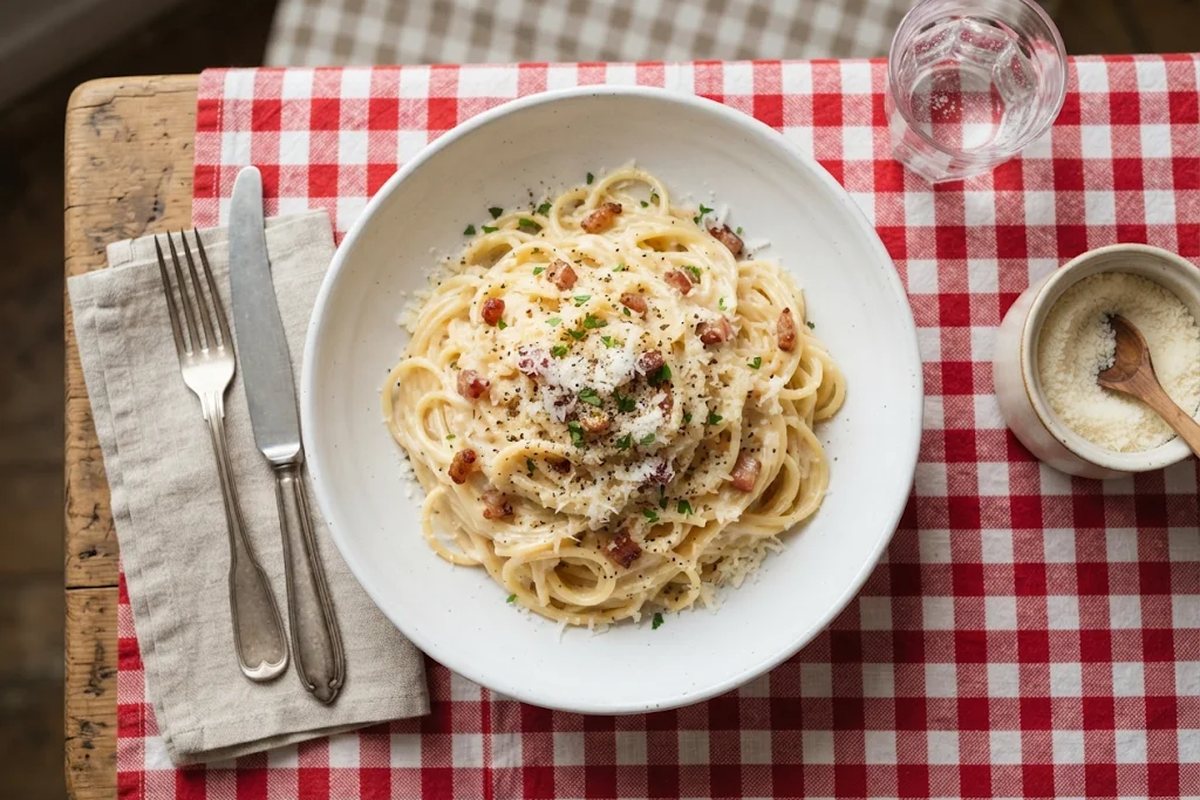
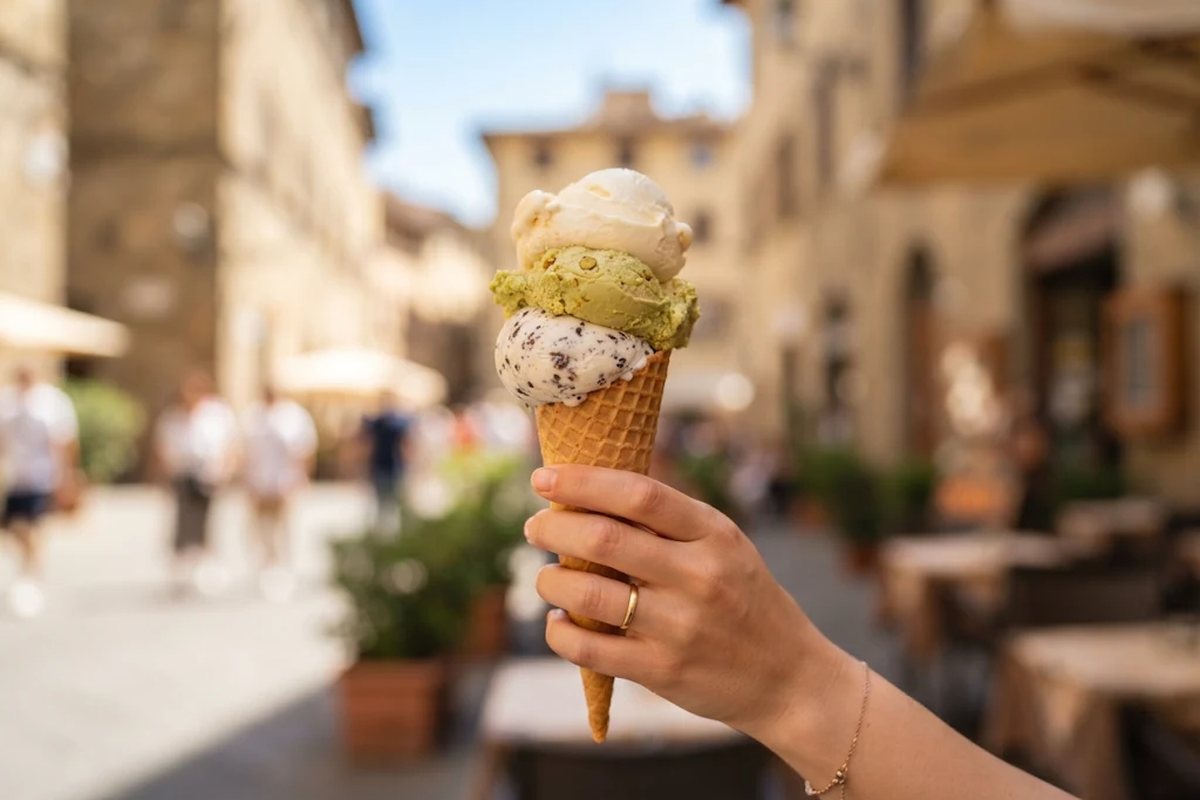
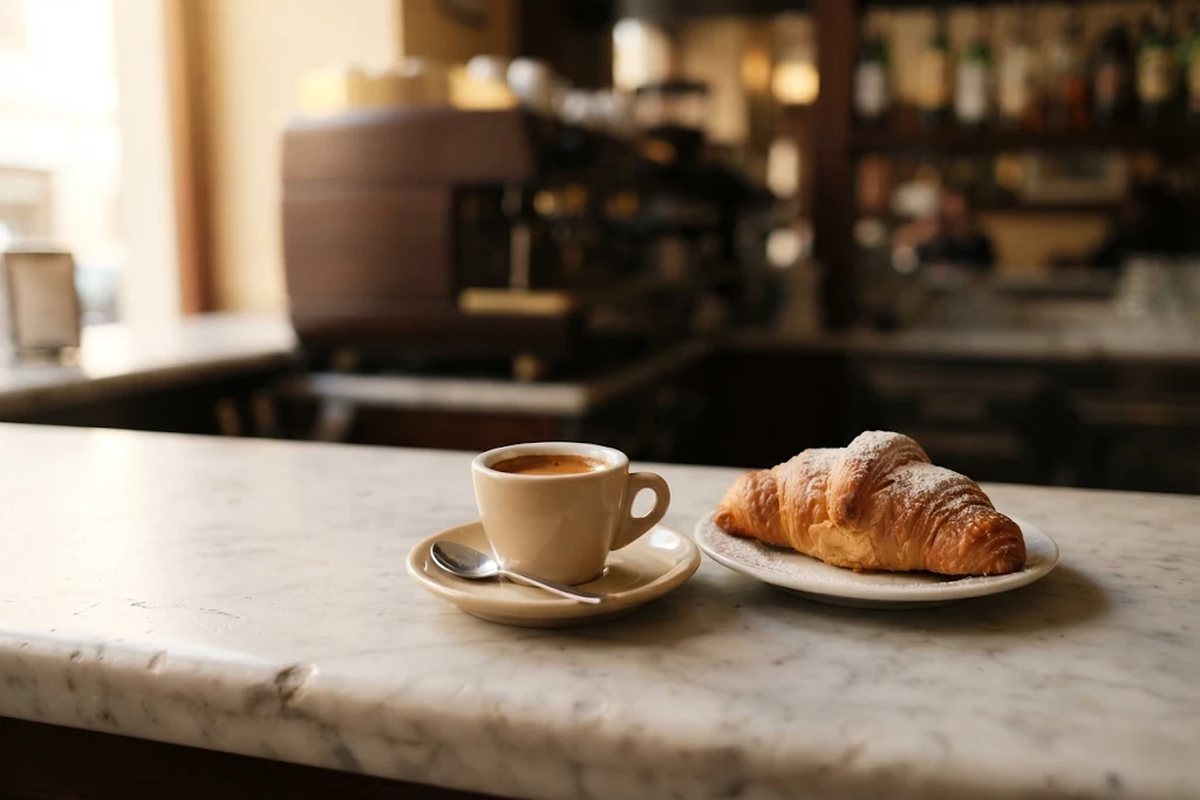
Roman pastas — carbonara, cacio e pepe and amatriciana, fried supplì rice balls, pizza by the slice, Roman-style artichokes, gelato and the maritozzo bun with whipped cream. At a bar coffee is drunk standing at the counter — it is cheaper than sitting at a table.
 Created by AI
Good to know
- Water. All over the city stand "nasoni" drinking fountains — the water is drinkable, and you can refill an empty bottle.
- The bill. Restaurants often charge a "coperto" — a fee for the place setting and bread, shown on the menu. Tipping is up to you.
- Tourist tax. Hotels charge it for every night, usually on the spot, separately from the room price.
- Clothing. Cathedrals and churches do not admit visitors with bare shoulders and knees — in summer take a scarf with you.
- Sockets. 230 V. Thin plugs fit everywhere; for a thick Schuko plug an adapter is sometimes needed.
- Pickpockets. On the buses to the Vatican and in the crowds at Trevi keep your phone and wallet close.
Questions and answers
Do you need a visa for Rome?
Italy is in the Schengen Area. Citizens of Kazakhstan, Russia, Uzbekistan, Kyrgyzstan, Belarus, Armenia and Azerbaijan need a Schengen visa. It allows a stay of up to 90 days in any 180.
How many days do you need in Rome?
Three days for the Colosseum and the Forum, the Vatican and the historic center. A fourth day for Tivoli or Ostia Antica.
Where is the best place to stay in Rome?
On a first trip — in the historic center or in Monti near the Colosseum. Quieter — in Prati near the Vatican, cheaper — near Termini station.
How do you get from Fiumicino airport to the center?
By the Leonardo Express train to Termini station — about 32 minutes. There are also buses and taxis.
When are the Vatican Museums closed?
On Sundays, except the last Sunday of the month, when entry is free. St. Peter's Basilica is open every day.
When is the best time to go to Rome?
From April to June and from September to October. Summer is hot, and in mid-August some restaurants close.
The text, translation and images for this article were prepared with the help of artificial intelligence. AI can make mistakes — check important figures, dates and requirements against official sources.
Verified business hotels at closed corporate rates, with the invoice, act and e-invoice for your company — all in one account.
 Photo: Struppig taucher
16 November 2026Paris: What to See in Four Days
 Photo: Thomas Quine
16 November 2026Barcelona: What to See in Four Days
 Photo: Diliff
18 November 2026Prague: What to Know Before You Go
 Photo: Velatrix
17 November 2026Beijing: What to See in Four Days
 Photo: Ninara
17 November 2026Bishkek: What to See and How to Get There from Almaty
 Photo: Alvesgaspar
16 November 2026Istanbul: What to See, Where to Stay and How to Get Around
 Photo: Andrew Behesnilian
16 November 2026Yerevan: What to See in the City and Around
 Photo: Bgag
17 November 2026Tashkent: What to See and How to Get There from Kazakhstan
 Photo: Basile Morin
17 November 2026Seoul: What to See in Four Days
 Photo: xiquinhosilva
16 November 2026Baku: What to See, Where to Stay and How to Enter
 Photo: Esginmurat
17 November 2026A Holiday in Antalya: Resorts, the Season and the Visa
 Photo: Jpbowen
16 November 2026Dubai: What to See, Where to Stay and What to Know
All articles
Business trips, documents and travel